ROB MILLS
PERRYVILLE, MISSOURI
One aspect of life you’ll find in the world of agriculture is the number of people who never leave their home area or return to it after a brief hiatus to spend the rest of their life there.
Rives, Missouri is one of those places. Its sister city is Hornersville. Both fit the profile of the small-town USA sung about in Hal Ketchum’s classic ‘Small Town Saturday Night.”
“Bobby told Lucy the world ain’t round
It drops off sharp at the end of town.
Lucy knows the world must be flat,
Cos’ when people leave town they never come back”
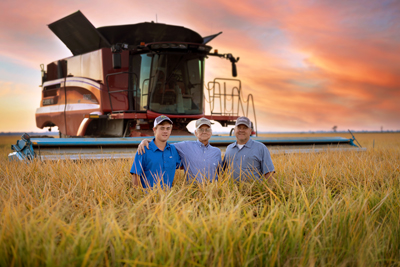
“Rives is a one Road Town with less than 50 people living in it”, says Rance Daniels, the anchor of Daniels Farms, located at the very southern end of Dunklin County, Missouri, around 60 miles east of Jonesboro, Arkansas. “If you blink while driving through Rives, you’ll miss half the town. All the local cafes & gas stations have closed,” he says.
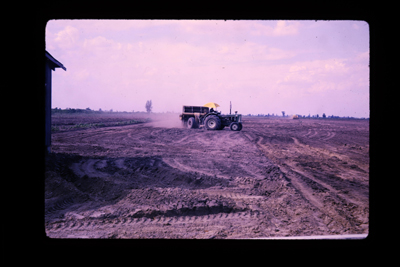
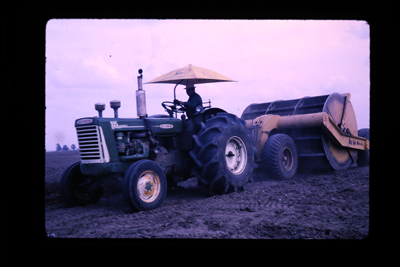
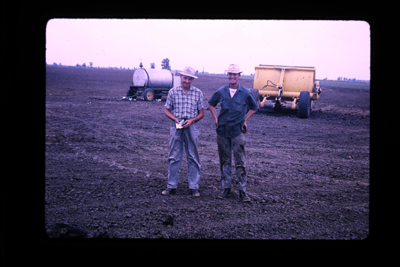
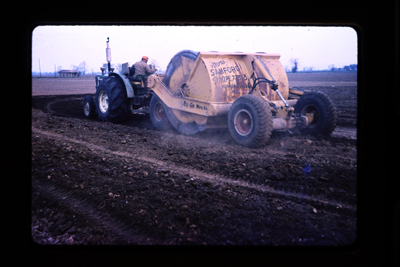
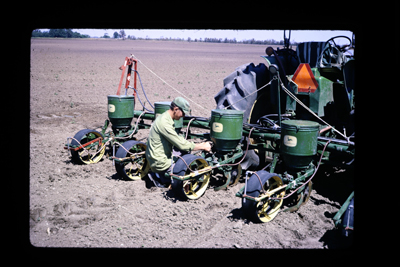
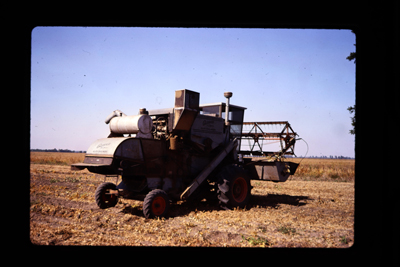
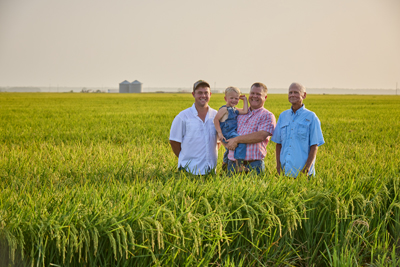
The Daniels family has been there for generations, farming their original homestead of around one hundred acres beginning in the 1950’s. “The family eventually moved up the road five miles from where we originally lived. Today my family lives across the yard from where I grew up,” he observed.
Growing up on the farm eventually led to Rance’s departure for the big city of Jonesboro, the hub of the northeastern part of Arkansas, to pursue a college degree. It’s said that children who are homeschooled can have tremendous problems adjusting to life outside the cocoon they’ve grown up in. Well, how about a kid who grew up not far from the middle of nowhere?
“I didn’t find it to be a problem,” Rance recollects. “I went to school with many of my high school friends and met a lot of students who grew up in the world I did. They were just like me. When we all graduated, most of us went back to the farm or went to work in the ag industry.” Like Rance.
He looks back fondly at his time at Arkansas State. ”Certain parts of my degree, learning about budgeting, the accounting side of things, policy issues were very helpful. My education there helped launch my career,” he said, having graduated with a Bachelor’s Degree in Agriculture from “A-State” in 1996.
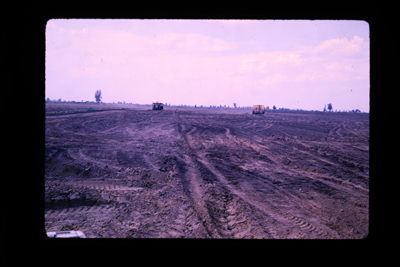
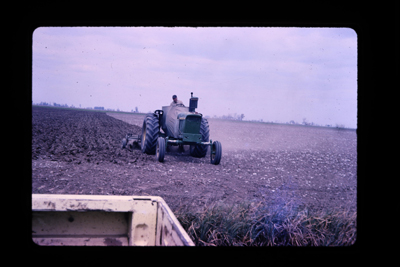
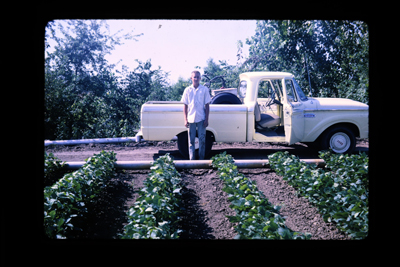
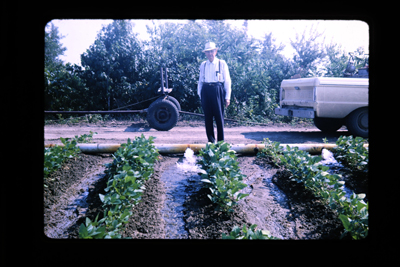
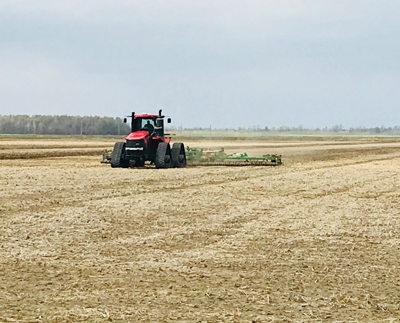
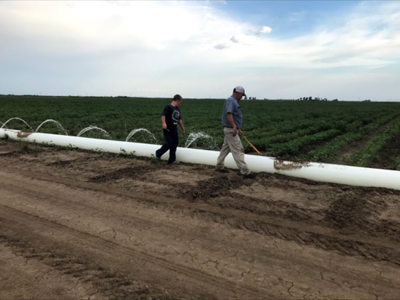
When Rance came back to the farm outside of Rives, he got in at the beginning of a pivotal change in the way the ag business operated in his part of the world. “In the late 1990’s much of the land was changing in ownership. The new owners looking to get the most return out of their investment precision graded the farms and installed irrigation. My family began to acquire more land and improve some of the land we already farmed. With these additions and improvements, the farm is 97% irrigated today,” he said.
Ownership change from the legacy farmer to the modern homesteader wasn’t the only paradigm shift taking place in the world of the Missouri Bootheel and the Mid-South. “This land my farm sits on, and the land that encompasses this area, was never a good place to grow corn, wheat or cotton.” He amusingly observed the only reason cotton was grown in the area was because “the landowners had interest in cotton gins. And if you own cotton gins, then you need cotton grown. The 90’s saw the end of the cotton culture in my area.”
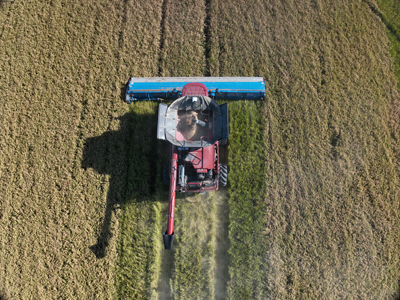
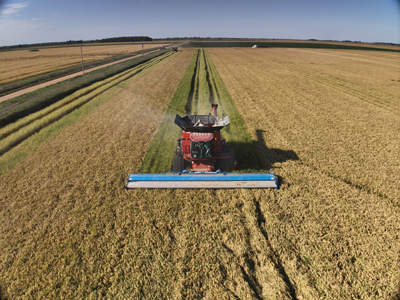
What emerged? According to Rance, “This land was made for growing rice. Our farm is in an area that was swamp. The Bootheel is full of water. Once the new generation added things up, the switch to rice farming began. Today most of the growers in this area are rice farmers.”
Daniels Farms, foundation laid, began a profitable run that peaked in 2021, anchored by a crop once seldom grown, that became a boom commodity in Missouri. Today the state ranks fourth in the United States in rice production.
But recent years haven’t been kind to the Daniels family and other farmers, rice or otherwise in the Bootheel and the Mid-South. ‘It’s been downhill for us since 2021. We broke even in 2023, lost a manageable amount of money in 2024 and in 2025 we are bathing in red ink, “ Rance lamented. He went on to say “It is estimated that rice farmers’ losses for the crop harvested this fall will be $364 per acre. On top of that our projected costs for next year’s crop will exceed $1330 per acre, making 2026 look just as bleak.”
Because foreign rice imports have doubled in the last decade, they now make up nearly one third of our domestic consumption. Rance would like to see higher tariffs on nations such as India and Thailand (a country he visited in 2015) to help slow these imports of rice into the U.S.
Speaking of Thailand, although Rance has been a Bootheel guy from day one, his global travels, through USA Rice, have given him a perspective he would not have had otherwise. “Thailand was a fascinating place. Rice is a major part of that country’s existence. Being there, I saw firsthand why they are our major global competitor. But at the same time, talking with farmers in Thailand and Cuba, you see that farmers are farmers everywhere,” he said. One observation he took with him from his Cuban visit “is while the nation and its markets have loosened up somewhat, the communist government and its influence in Cuba are still pretty strong.”
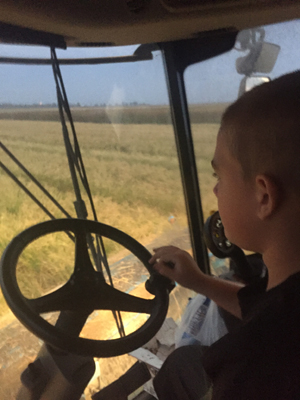
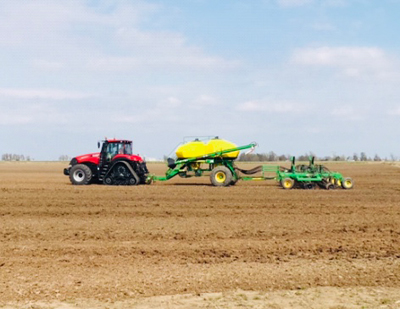
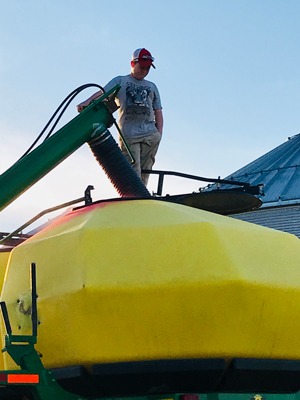
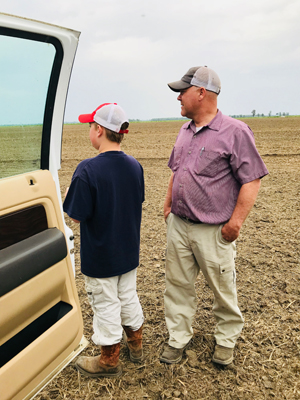
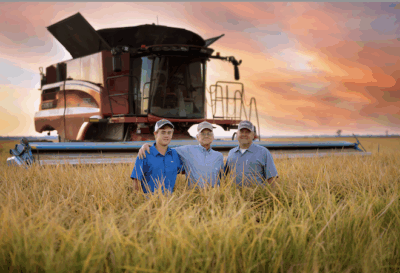
Concerning domestic policy issues, Rance feels the updated PLC (Price Loss Coverage) reference prices in the Trump Administration’s “One Big Beautiful Bill” were a huge win for rice farmers, as it gives them a relevant safety net. However, the payments from the update reference prices cannot be made until November 2026. Therefore “The Farmer Bridge Payment,” announced in December 2025, is a welcome addition to help producers meet immediate cash flow needs. He also draws hope for the future in the fact that his 21-year-old son Chase is now a full-time member of the Daniels Farms team. It’s something his dad is thrilled about. Also, new irrigation techniques such as row rice and AWD (alternate wetting and drying) are making Daniels Farms more efficient.
Rance concludes by observing “The next generation is taking its place in the family business. This was my goal, to make sure this farm was around for my son and grandchildren to be able to work the land if that’s what they wanted to do,” he says with satisfaction in his voice.
So as time goes on, other generations of the Danels family and their neighbors will possibly see Rives go from one road and one stop sign to something at least a little bit more.
Regardless, the Daniel’s family will, in the words of its modern patriarch, be “stickin’ with it.” ∆
ROB MILLS
MAFG STAFF WRITER